

Quick answer
Whale watching while pregnant on Maui is generally safe during the second trimester with proper precautions, though always consult your obstetrician first. Morning departures between 08:00 and 10:30 offer the calmest sea conditions, reducing motion discomfort. Choose larger, stabilized vessels over rigid inflatables, avoid tours longer than two hours, and skip trips during your first or third trimester when nausea and premature labor risks increase.
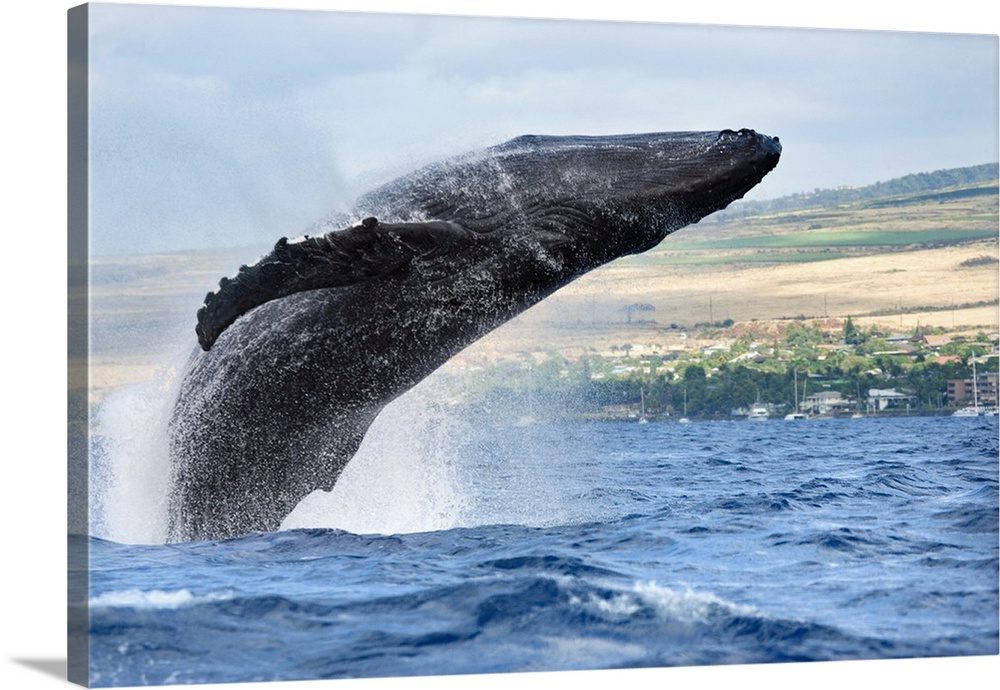
Humpback whales migrate to Maui's warm waters between December and April, drawing thousands of visitors to Ma'alaea Harbor and Lahaina each season. For expectant mothers, the decision to join a whale watching tour involves weighing the experience against physical comfort and medical caution. Medical consensus suggests the second trimester presents the safest window for whale watching Maui pregnant travelers. Morning swell patterns along Maui's leeward coast remain gentler before trade winds strengthen, and departures from Ma'alaea Harbor between 08:00 and 10:30 typically encounter one- to three-foot swells rather than the four- to six-foot afternoon chop. Larger catamarans and power vessels with covered seating areas provide more stability than zodiac-style rigid hull inflatables, which transmit every wave impact directly to passengers. Tour operators at Ma'alaea Harbor maintain daily communication with the Hawaiian Islands Humpback Whale National Marine Sanctuary and adjust routes based on current swell forecasts. Vessel motion affects pregnant passengers differently than other travelers. The repetitive jarring from wave impacts can cause discomfort even in calm conditions, and prolonged standing on a moving deck increases fall risk. Select tours offering padded seating, accessible restrooms, and shade coverage. Two-hour excursions provide sufficient time to observe breaching, tail slaps, and surface behavior without extended exposure to sun and motion. Operators departing Ma'alaea Harbor follow strict approach guidelines established by NOAA, maintaining 100-yard distances from humpback whales and avoiding sudden maneuvers that create additional vessel movement. Hydration and light snacks help manage nausea, but avoid tours if you experienced severe morning sickness or have a high-risk pregnancy designation. Contact your healthcare provider before booking, especially if traveling during your third trimester when airlines and tour operators may require medical clearance. Most Maui whale watching operators offer flexible cancellation policies for medical reasons, and February through early March delivers peak whale activity with the highest probability of calf sightings. The experience of watching a 40-ton humpback breach against Haleakalā's volcanic slopes remains accessible to expectant mothers who plan carefully and prioritize comfort over duration.
“Morning departures from Ma'alaea Harbor encounter gentler swells before trade winds strengthen, making them the preferred choice for pregnant travelers.”
Best Time for Whale Watching Maui Pregnant: Choosing Calm Conditions
For pregnant visitors, the best arrival window is 08:00–10:30, as morning departures typically offer the calmest sea conditions, which are ideal for pregnancy. Selecting these early hours helps minimize motion sickness and physical discomfort by avoiding the choppier waters that often develop later in the day.
Peak Whale Season
High70-80°F, low wind
Whales are most active; expect more vessel traffic.
Shoulder Season
Moderate72-82°F, variable wind
Fewer boats on the water.
Morning Departures
——
Calmest seas and least motion; ideal for pregnancy.
Afternoon Departures
——
Increased wind and wave action; higher potential for seasickness.
Verdict: The best time for whale watching while pregnant is any weekday morning during the peak season of February or March, utilizing the 08:00–10:30 arrival window for the calmest ocean conditions.
Entrance Fees and Costs for Whale Watching Maui Pregnant
Access to the Ma'alaea Harbor area itself requires no payment. Individual costs for whale watching tours are determined independently by each commercial boat operator.
Checklist for Whale Watching Maui Pregnant: Comfort and Safety
Prepare for a comfortable and safe whale watching experience with these essential steps.
-
Consult your healthcare provider — Confirm boat travel is safe for your stage of pregnancy and individual health conditions.
-
Book with an operator offering stable vessels — Catamarans and larger boats reduce motion and provide easier seating access.
-
Pack anti-nausea remedies (approved by doctor) — Sea conditions can trigger nausea even on calm days, especially during pregnancy.
-
Wear non-slip, supportive footwear — Boat decks can be wet and movement requires stable footing.
-
Bring water and light snacks — Staying hydrated and maintaining blood sugar helps prevent dizziness on the water.
-
Choose morning departures when possible — Calmer morning seas reduce motion discomfort for pregnant passengers.
-
Wear layered, sun-protective clothing — Ocean breezes cool quickly, and UV exposure is stronger on open water.
Check availability
Frequently asked questions about whale watching maui pregnant
Everything you need to know about whale watching maui pregnant