

Quick answer
Whale watching Maui toddler trips depart daily from Lahaina Harbor and Maalaea Harbor between 07:00 and 19:00, with no gate admission fee since tours are booked through private operators. Morning departures between 07:00 and 10:00 offer the calmest sea conditions, which matters for toddlers prone to motion sensitivity. Most operators welcome children of all ages, though a few catamarans set minimum age requirements of two or three years. The humpback migration peaks from January through March, when sightings approach near-certainty on any given trip.
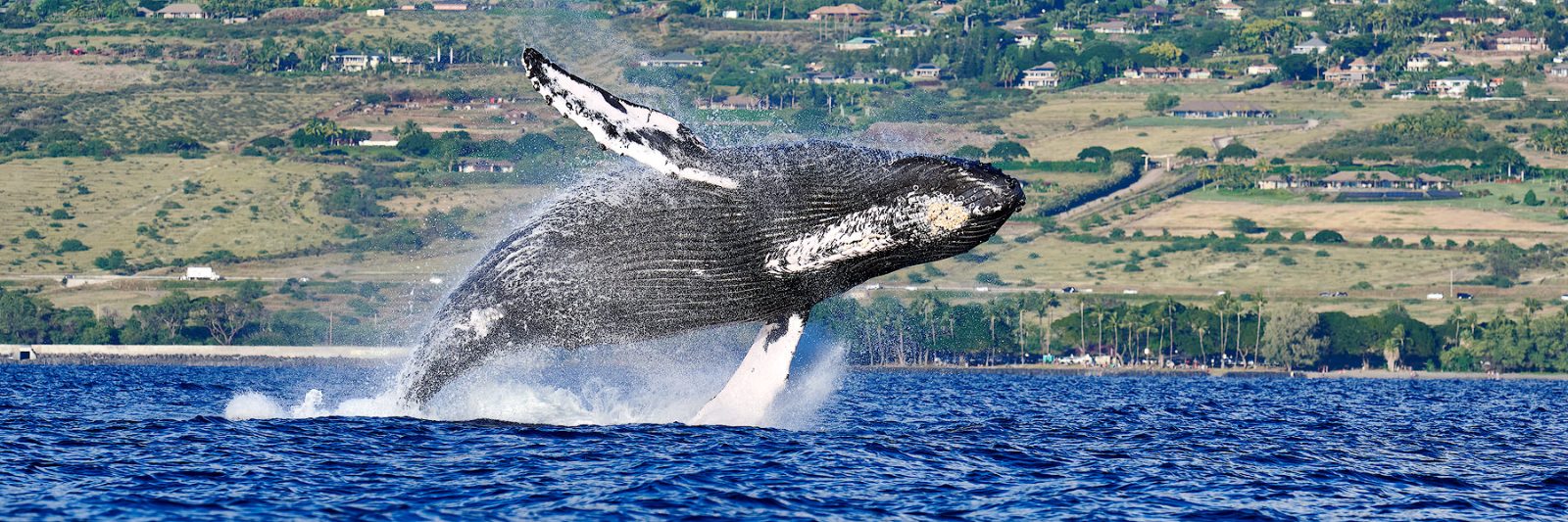
Humpback whales travel over 3,000 miles from Alaskan feeding grounds to Maui's shallow coastal waters, where they calve, nurse, and breach within sight of tour boats. The migration transforms the island's west and south shores into one of the world's most accessible whale-watching destinations, with no need for open-ocean crossings or multi-day expeditions. For families with toddlers, that accessibility comes with a practical question: which harbor, which boat type, and which departure slot will keep a young child comfortable for the 90-minute to two-hour duration most operators run. Lahaina Harbor sits on the island's west side, sheltered by the curve of the coastline and the bulk of Lanai across the channel. Maalaea Harbor opens to the south, where the Alenuihaha Channel funnels wind and swells between Maui and the Big Island. Captains and deckhands will tell you that Maalaea offers shorter transit times to prime whale zones, but the tradeoff is chop. For whale watching Maui toddler families, Lahaina's calmer water and more gradual approach to the animals often outweighs the extra ten minutes of cruising time. Catamarans with wide, stable decks and shade canopies handle better than narrow mono-hulls, and boats that limit passenger counts to 40 or fewer give parents room to move when a toddler needs a lap change or a snack break. Operators do not require advance notice for toddlers, but a few practical constraints apply. Life jackets in toddler sizes are required by the Coast Guard and provided on all licensed vessels. Diaper-changing surfaces are limited to bench seating or the deck itself. Restroom facilities exist but consist of marine heads with tight dimensions. Sunscreen, hats, and layered clothing matter more than on land because reflected glare off the water intensifies UV exposure, and morning air temperatures on the water run cooler than on shore. The humpbacks themselves cooperate. Mothers with calves tend to linger in shallower zones where boats idle rather than speed, and breaches, tail slaps, and pectoral fin waves happen close enough that toddlers can track the motion without binoculars. No guarantee exists for any single departure, but during peak weeks in February, naturalists report sightings on more than 95 percent of trips. Booking a morning slot aligns with both the whales' activity patterns and the toddler-friendly timing that lets families return to shore before afternoon fatigue sets in.
“Mothers with calves tend to linger in shallower zones where boats idle rather than speed, and breaches happen close enough that toddlers can track the motion without binoculars.”
Best Time of Day for Whale Watching Maui Toddler Trips
The best time to experience whale watching with a toddler is during the morning hours between 07:00 and 10:00. Stable ocean conditions during this window minimize movement, which helps keep young children comfortable while on the water.
Peak Season (Jan–Mar)
High, weekend peaks70–80°F, whale activity at its height
This period offers the highest probability of sightings, though crowds are larger.
Mid-Season (Dec & Apr)
Moderate, better availability70–75°F, pleasant water conditions
These months provide a balance of whale presence and fewer crowds than the peak months.
Morning Departures
Low to moderate—
The best arrival window is 07:00–10:00, as sea conditions are typically calmer during these hours.
Verdict: The most favorable window for toddlers is a weekday morning departure between 07:00 and 10:00 during the mid-season months of December or April.
Practical Logistics for Whale Watching Maui Toddler Adventures
Whale watching with toddlers requires careful planning, but many vessels offer stable platforms suitable for families. Prioritizing safety and comfort ensures a manageable experience for both children and parents.
Strollers
Most whale watching vessels have limited deck space and cannot accommodate full-sized strollers. Bring a soft-structured baby carrier to keep your hands free and your toddler secure while moving on the boat.
Age suitability
Toddlers often benefit from shorter excursions rather than long, multi-hour trips. Verify with individual operators if they have specific minimum age requirements or life jacket sizes available for young children.
Facilities
Check the specific boat specifications in advance, as many vessels have compact marine restrooms that may not be equipped with changing tables. Prepare a portable changing kit that fits easily into a small bag.
Keeping them engaged
Bring familiar snacks, quiet toys, and a set of binoculars designed for small hands to help maintain interest. Pointing out the horizon and large movements helps toddlers track activity without needing complex explanations.
Preparation Checklist for Whale Watching Maui Toddler Visits
A few essentials will help your toddler stay comfortable and safe during the tour.
-
Book your tour in advance — Whale-watching operators fill up quickly during peak season (December–April).
-
Pack reef-safe sunscreen (SPF 30+) — Maui's sun is intense on the water, and many operators require reef-safe formulas.
-
Bring a sun hat and lightweight long sleeves — Direct sun exposure increases on deck; coverage protects toddlers better than frequent reapplication.
-
Pack toddler-friendly snacks and a water bottle — Tours last 2–3 hours, and keeping hunger at bay prevents meltdowns.
-
Wear slip-resistant shoes — Boat decks can be wet and slippery, especially in the bow.
-
Bring motion-sickness remedies if needed — Calm morning conditions help, but toddlers new to boats may still feel queasy.
-
Arrive 15–20 minutes early — Check-in, life-jacket fitting, and boarding take time with young children.