2 hr
Ma'alaea Harbor Humpback Whale Watching Cruise
- Entry ticket
- Mobile voucher
- Valid same day
- Free cancellation
Whale Watching Maui — Humpback Season & Guided Ocean Tours
Witness the Pacific's greatest migration, where humpbacks breach and sing in warm Hawaiian waters
Compare fares, pick the fit — all bookings are mobile-voucher and eligible for free cancellation where shown.
2 hr
2 hr
2 hr
| Experience | Duration | Rating | Skip-the-line | Guide | Small group | Free cancel. | Price | |
|---|---|---|---|---|---|---|---|---|
|
Standard Entry
Most popular
Ma'alaea Harbor Humpback Whale Watching Cruise
|
2 hr | ★ 4.6 | — | ✓ | ✓ | ✓ | €43 | Book → |
|
Guided Experience
Small Group Humpback Whale Watch
|
2 hr | ★ 4.9 | ✓ | ✓ | ✓ | ✓ | €64 | Book → |
|
Standard Entry
Afternoon Whale Watch Aboard Malolo Catamaran
|
2 hr | ★ 4.6 | — | — | — | ✓ | €52 | Book → |
They complement each other; most visitors who do both call boat charters the more thrilling experience for humpback sightings. Utilizing whale watching maui tours allows for closer encounters, while land-based observation provides a flexible, self-paced maritime experience.
|
Top pick Shoreline Viewing |
Boat-Based Tours | |
|---|---|---|
| Viewpoint perspective | Fixed land-based panoramic vista | Dynamic 360-degree ocean perspective |
| Proximity to whales | Distant surface sightings | Close-range encounters |
| Cost | 0 USD | 45–150 USD per person |
| Mobility requirements | None; accessible terrain | Variable; requires boarding boat |
| Educational guidance | Self-guided observation | Professional marine naturalist narration |
| Vessel stability | Stable ground | Variable based on sea conditions |
| See tickets & prices |
Verdict: Choose a whale watching maui tour when you prioritize intimate wildlife sightings, or opt for shoreline viewing to enjoy whale watching maui tickets flexibility without the nautical commitment.
Hand-picked experiences loved by thousands of travelers
2 hours
Free Cancellation
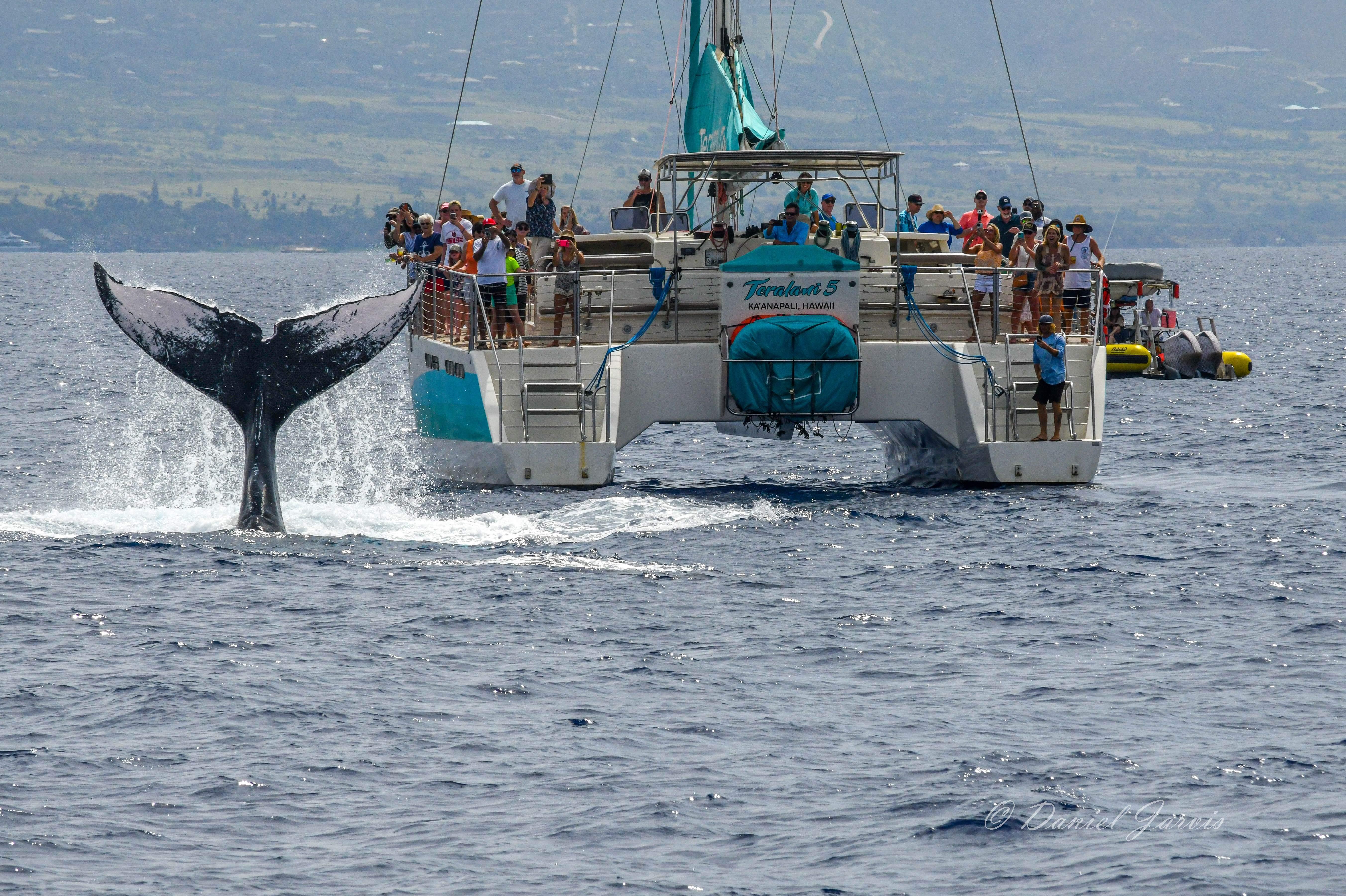
Set sail from Ka'anapali Beach to witness humpback whales in their winter habitat aboard a premium catamaran
1 hour 30 minutes
Free Cancellation
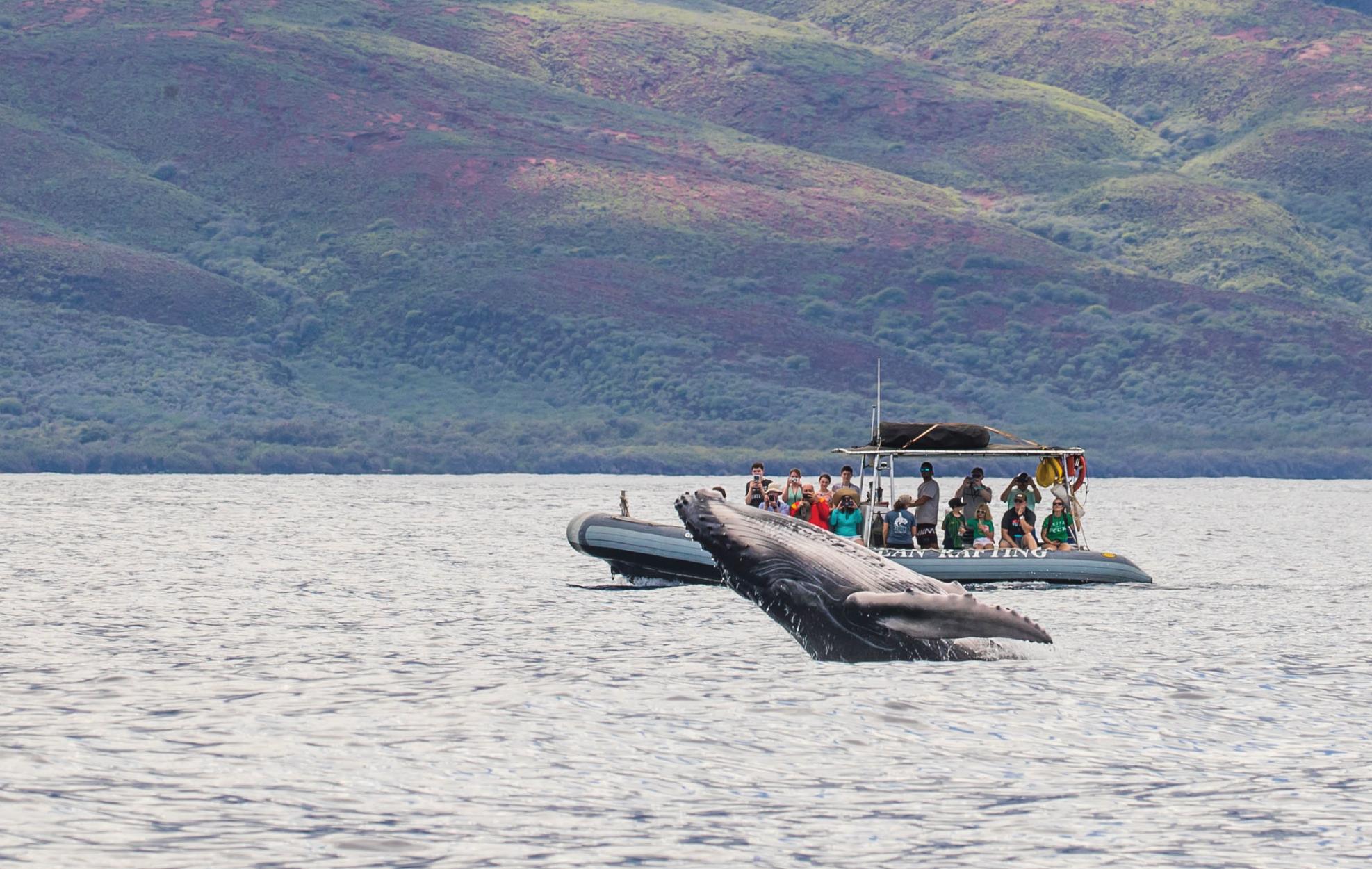
Witness majestic humpback whales up close from a custom raft with expert guides and underwater acoustics
2 hours
Free Cancellation
Join certified experts to observe humpback whales and their calves while learning about ocean conservation
3 hours
Free Cancellation
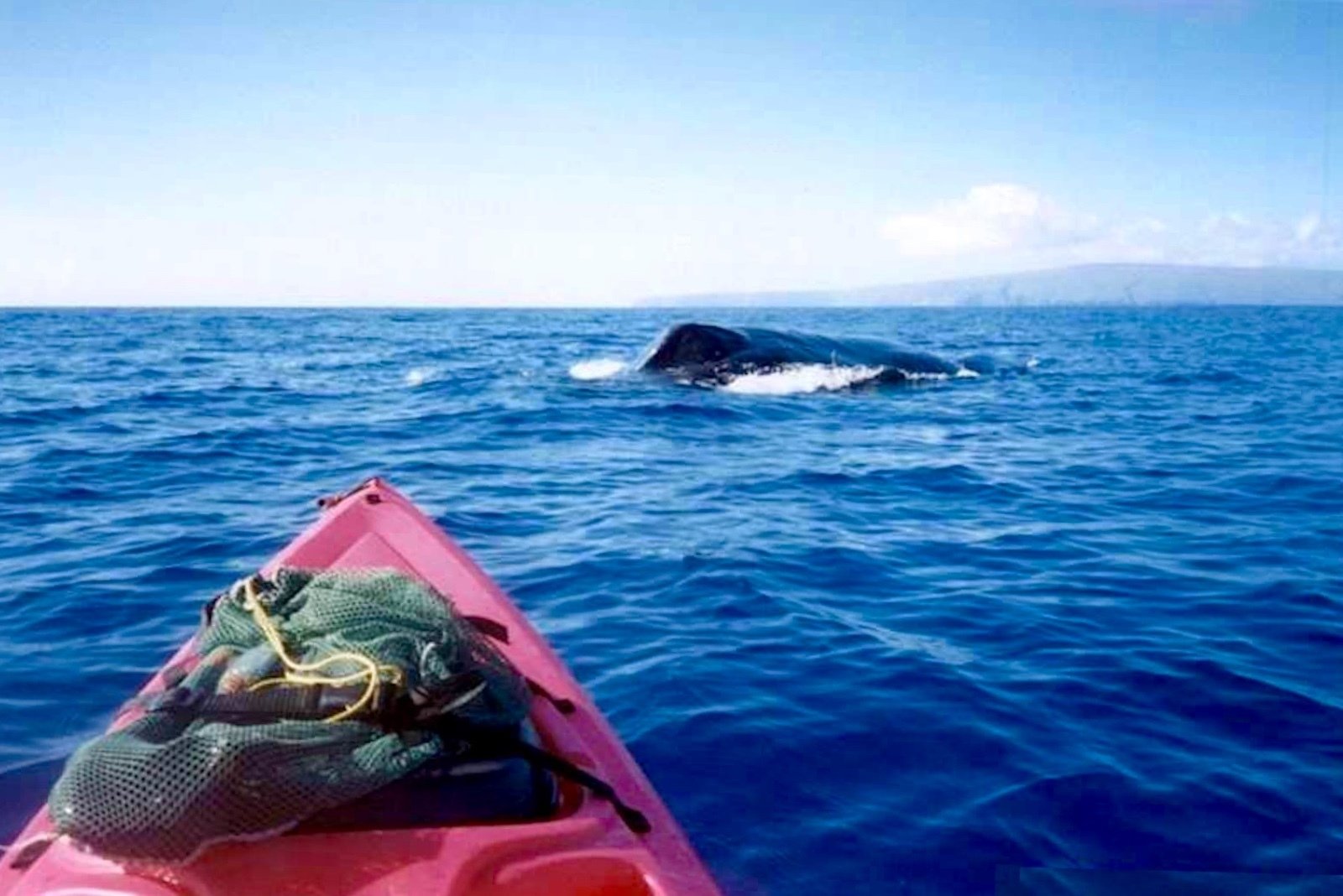
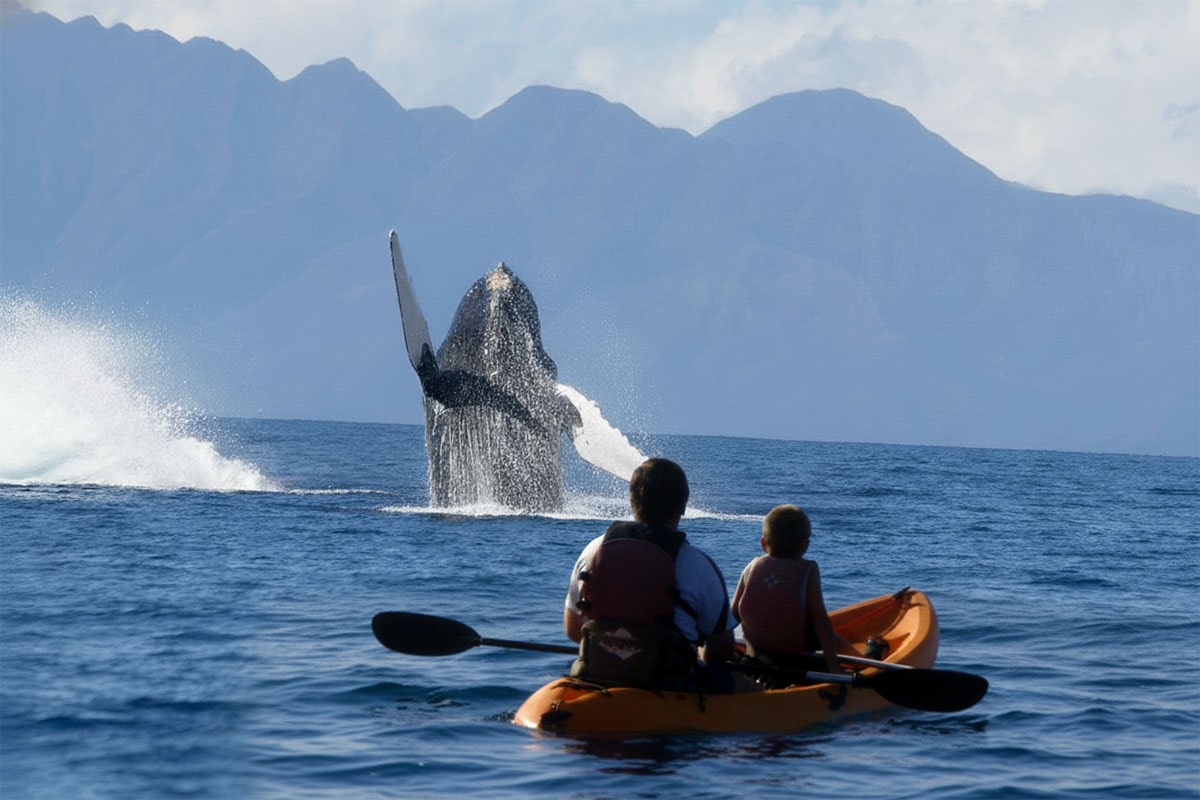
Paddle alongside humpback whales and snorkel with green sea turtles on this guided ocean kayaking tour
2 hours
Free Cancellation
Set sail from Ka'anapali Beach to observe migrating humpback whales with expert marine naturalists
3 hours
Free Cancellation
Three-hour ocean voyage to observe humpback whales with marine naturalist guidance and gourmet lunch
2 hours
Free Cancellation
Get eye-level with humpback whales or spinner dolphins on intimate small-group raft expeditions led by local Hawaiian naturalists.
2.5 hours
Free Cancellation
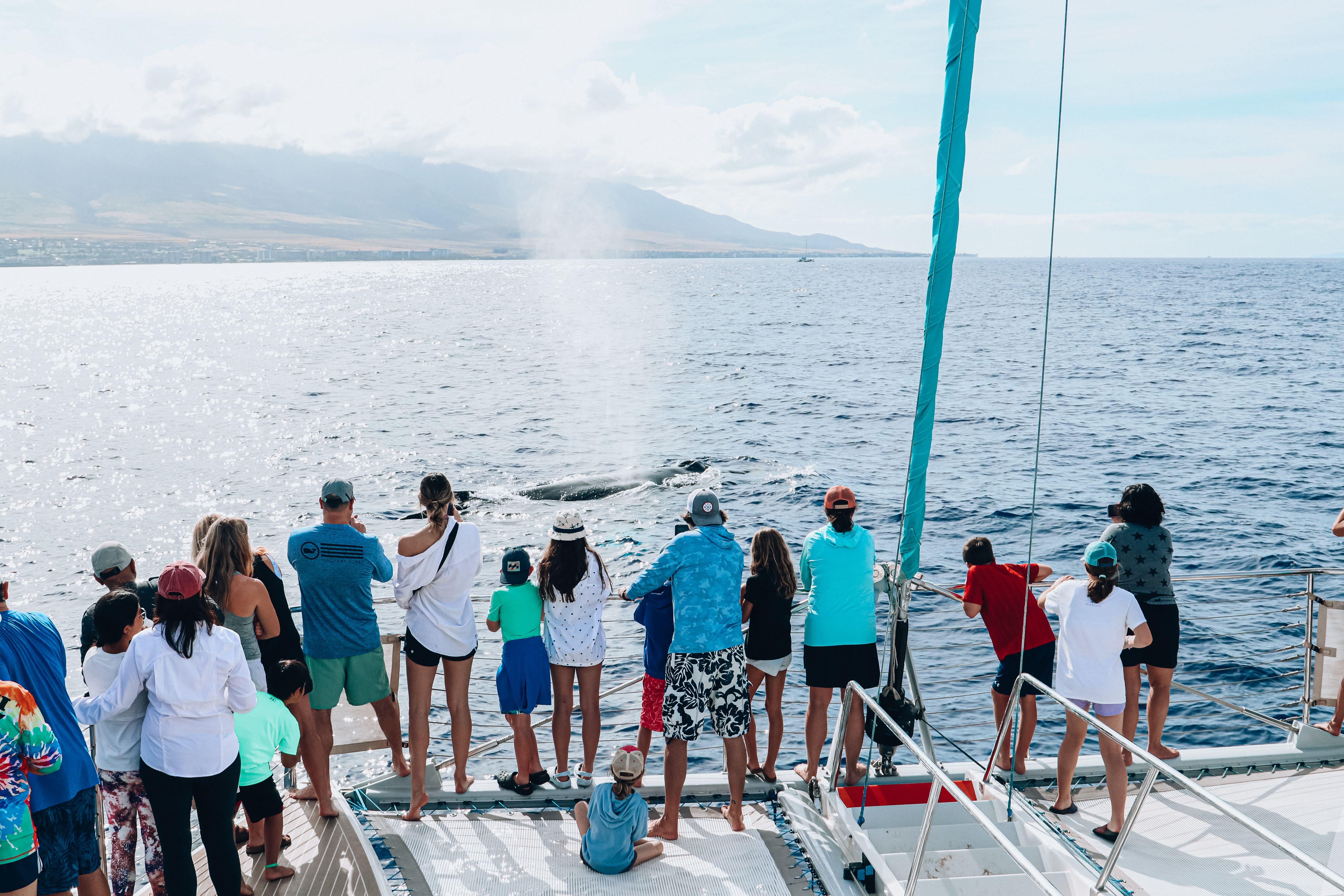
Sail Maui's waters on a luxury catamaran to observe humpback whales with drinks, gourmet bites, and expert commentary
All the details about your upcoming adventure in one place
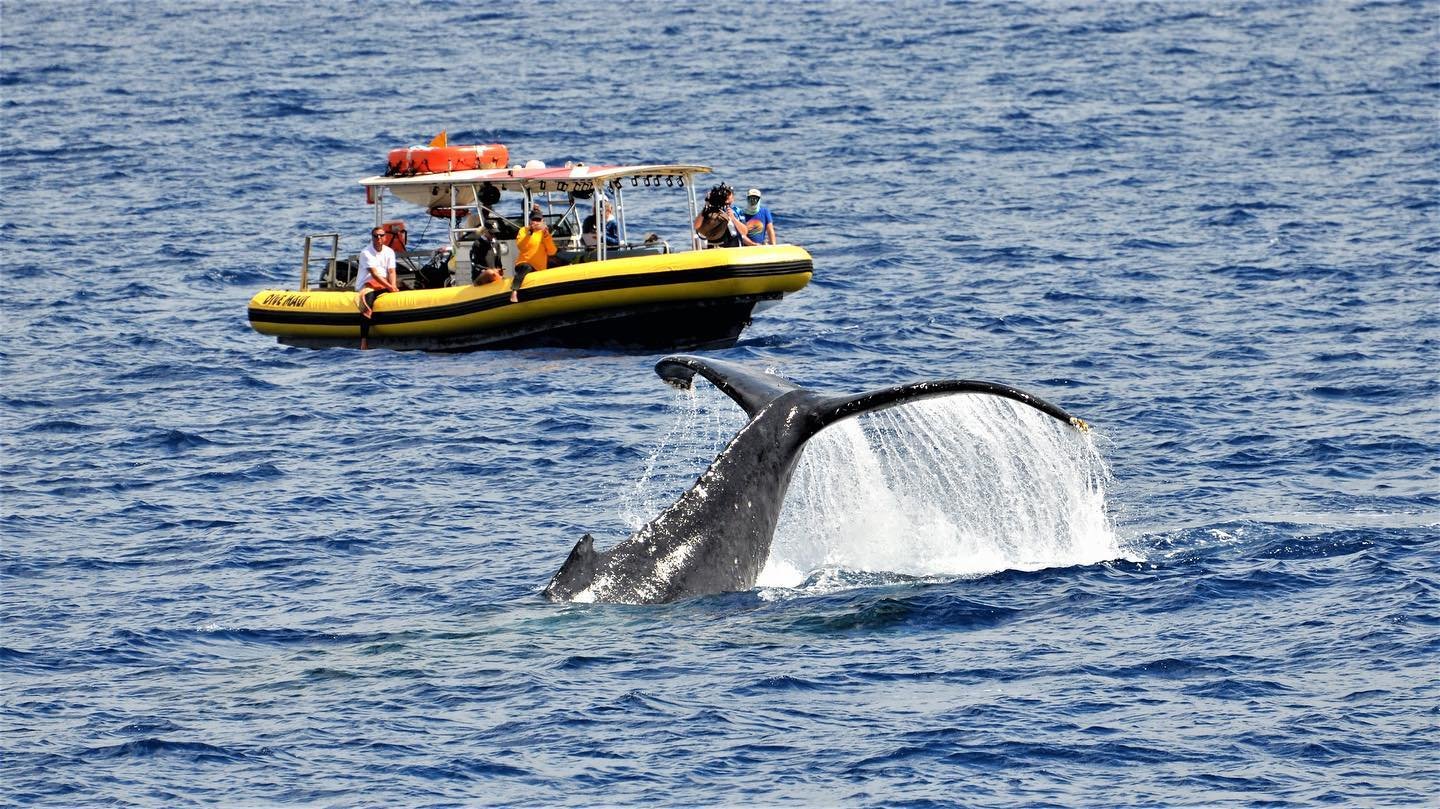
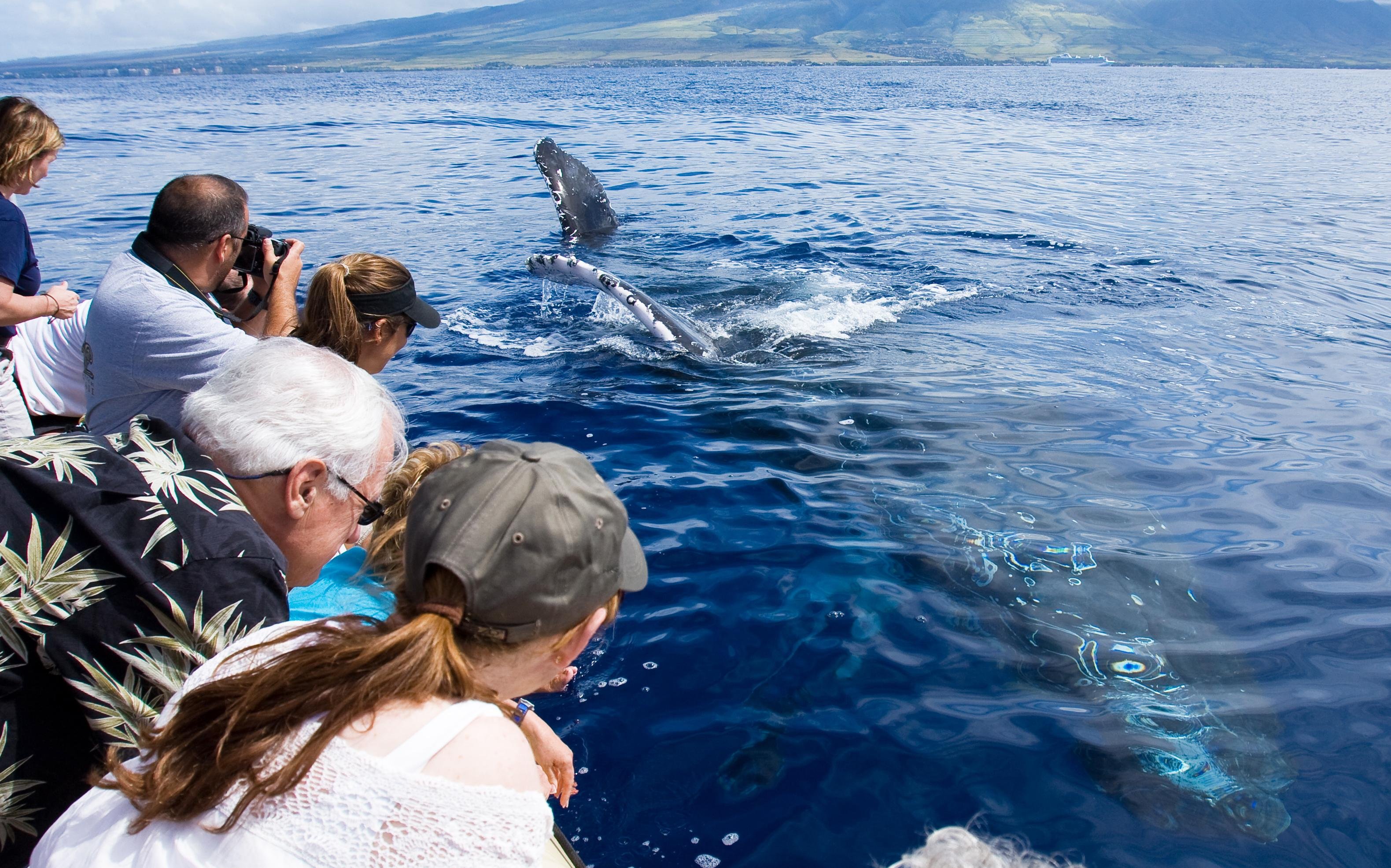
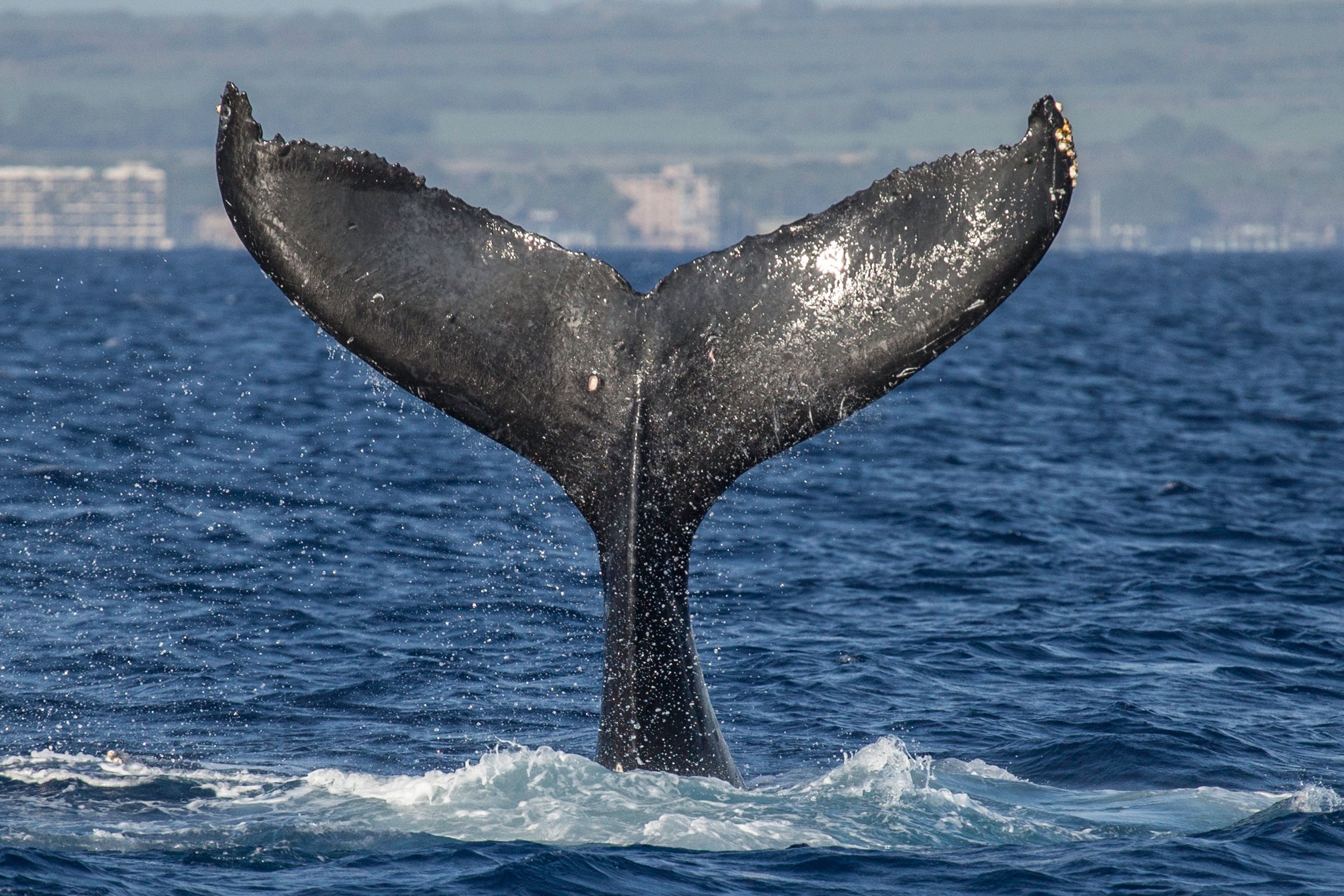
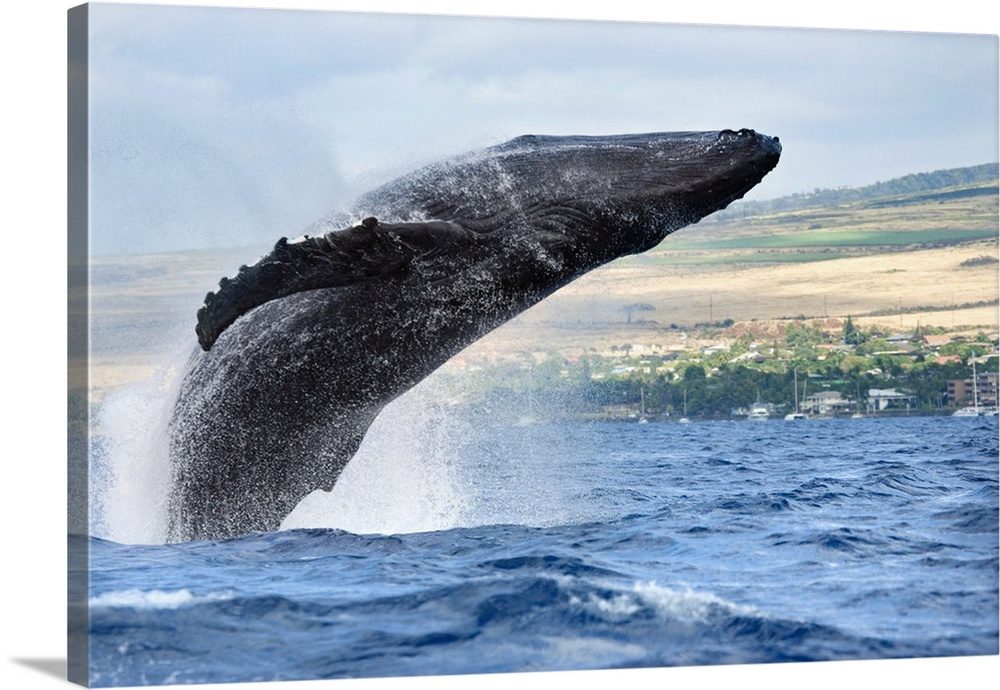
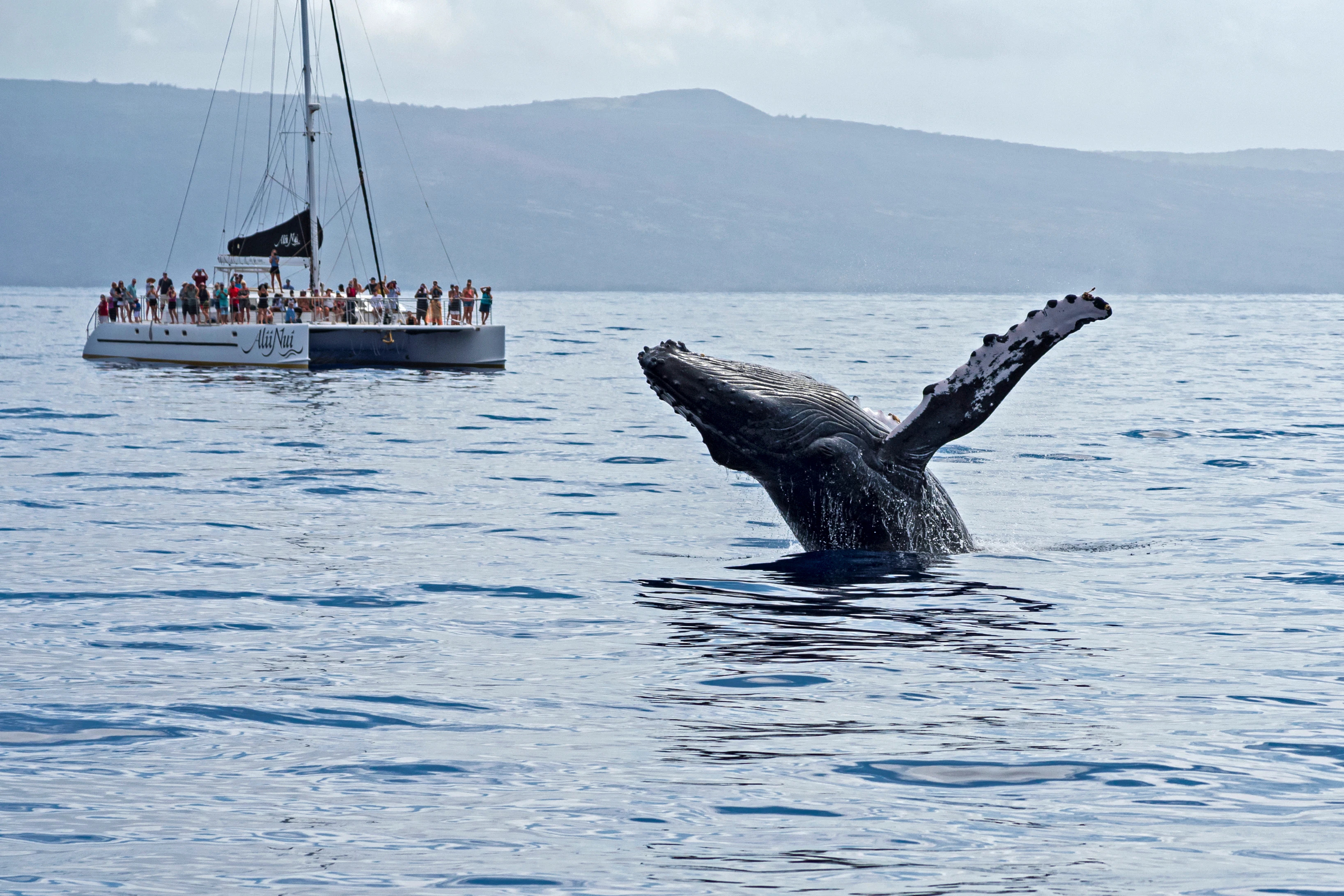
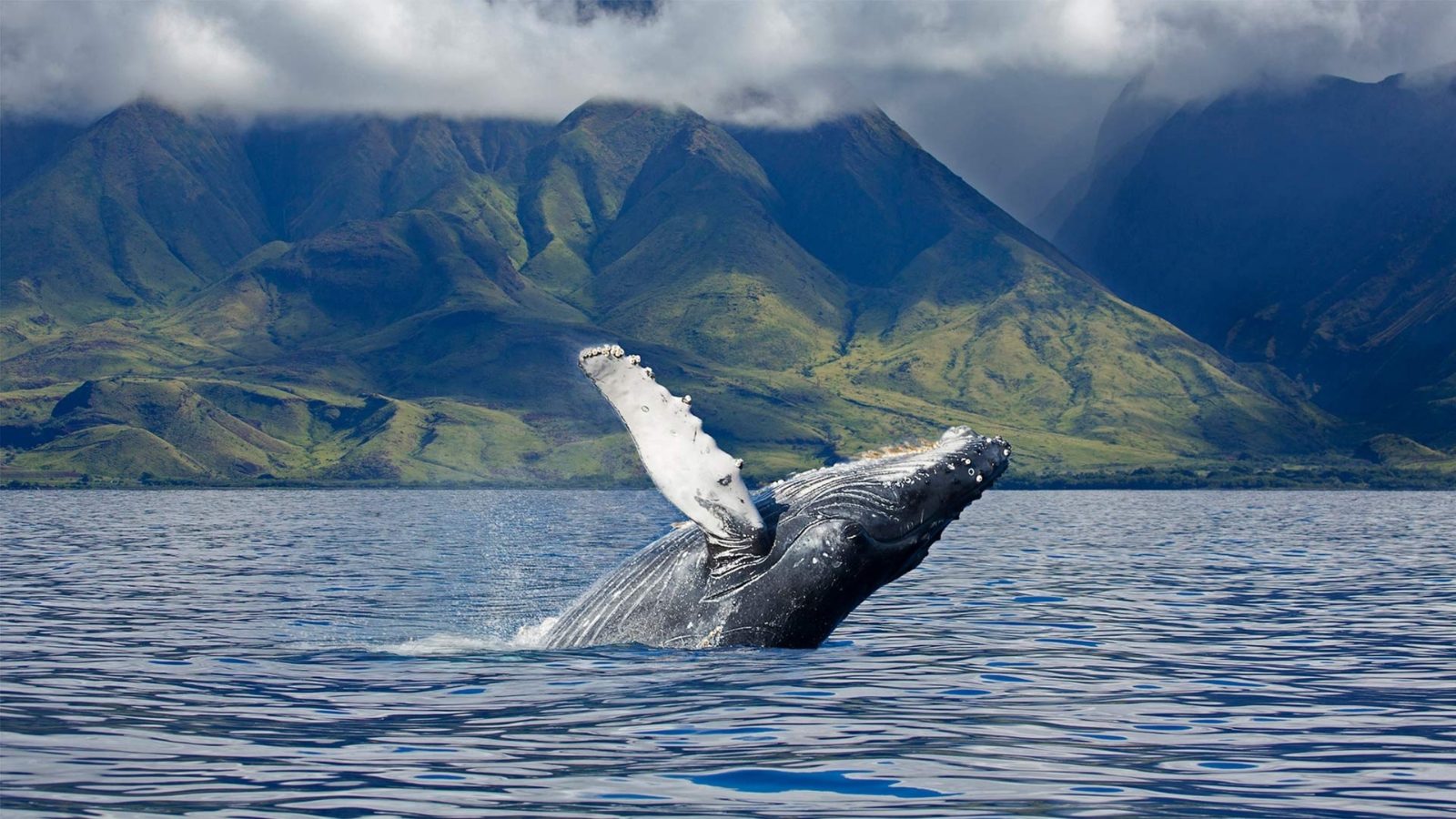
Whale watching Maui tours depart from Lahaina and Maalaea harbors to observe humpback whales during their annual migration to Hawaiian waters. Between December and April, these marine mammals travel from Alaska to breed and calve in the warm channels between Maui, Lanai, and Molokai. Whale watching maui tour operators follow federal guidelines to maintain safe viewing distances while naturalist guides explain breaching, tail slaps, and pectoral fin displays.
Every winter, more than ten thousand North Pacific humpback whales travel nearly three thousand miles from Alaskan feeding grounds to the shallow, protected waters surrounding Maui.
The Hawaiian Islands Humpback Whale National Marine Sanctuary, established in 1992 and spanning 1,400 square miles of ocean, protects the world's most concentrated humpback breeding and calving grounds. Maui's western and southern coasts — particularly the channels between Maui, Lanaʻi, and Molokaʻi — offer some of the planet's most reliable cetacean sightings, with peak activity occurring between January and March when mothers nurse newborn calves in the warm, sheltered bays.
The humpback migration to Hawaiian waters is driven by biology and survival. Adult whales arrive in November and December to mate, while pregnant females return the following winter to give birth in the sanctuary's shallow, predator-scarce waters. Calves are born weighing nearly a ton and gain approximately one hundred pounds per day on their mothers' fat-rich milk. Whale watching Maui season stretches from mid-December through early May, though sightings taper sharply after April as whales begin their return migration north. The underwater topography of the ʻAuʻau Channel, which drops from shallow reefs to depths exceeding six hundred feet within a quarter mile of shore, creates ideal acoustic conditions for the complex, haunting songs male humpbacks produce during breeding season.
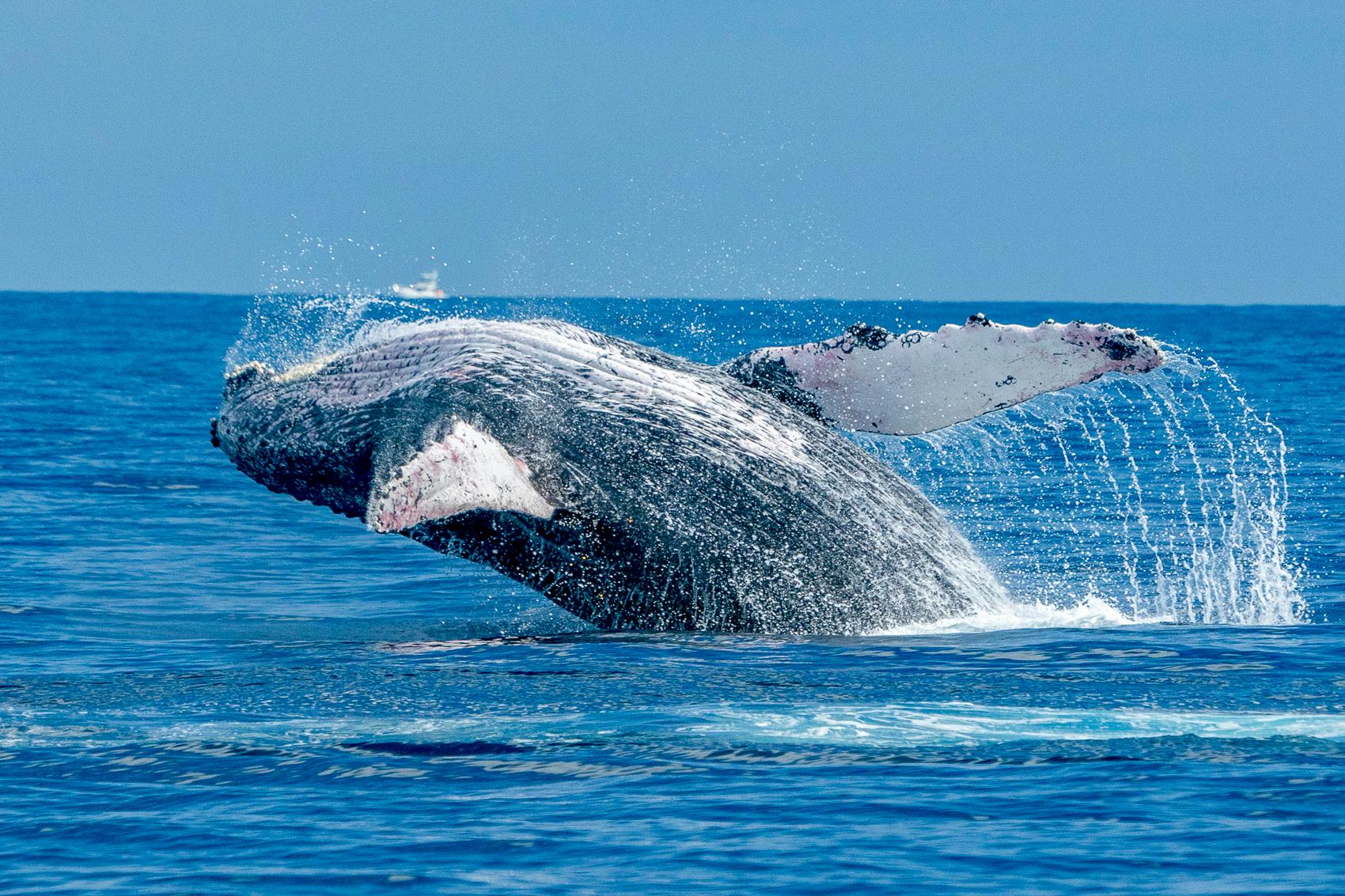
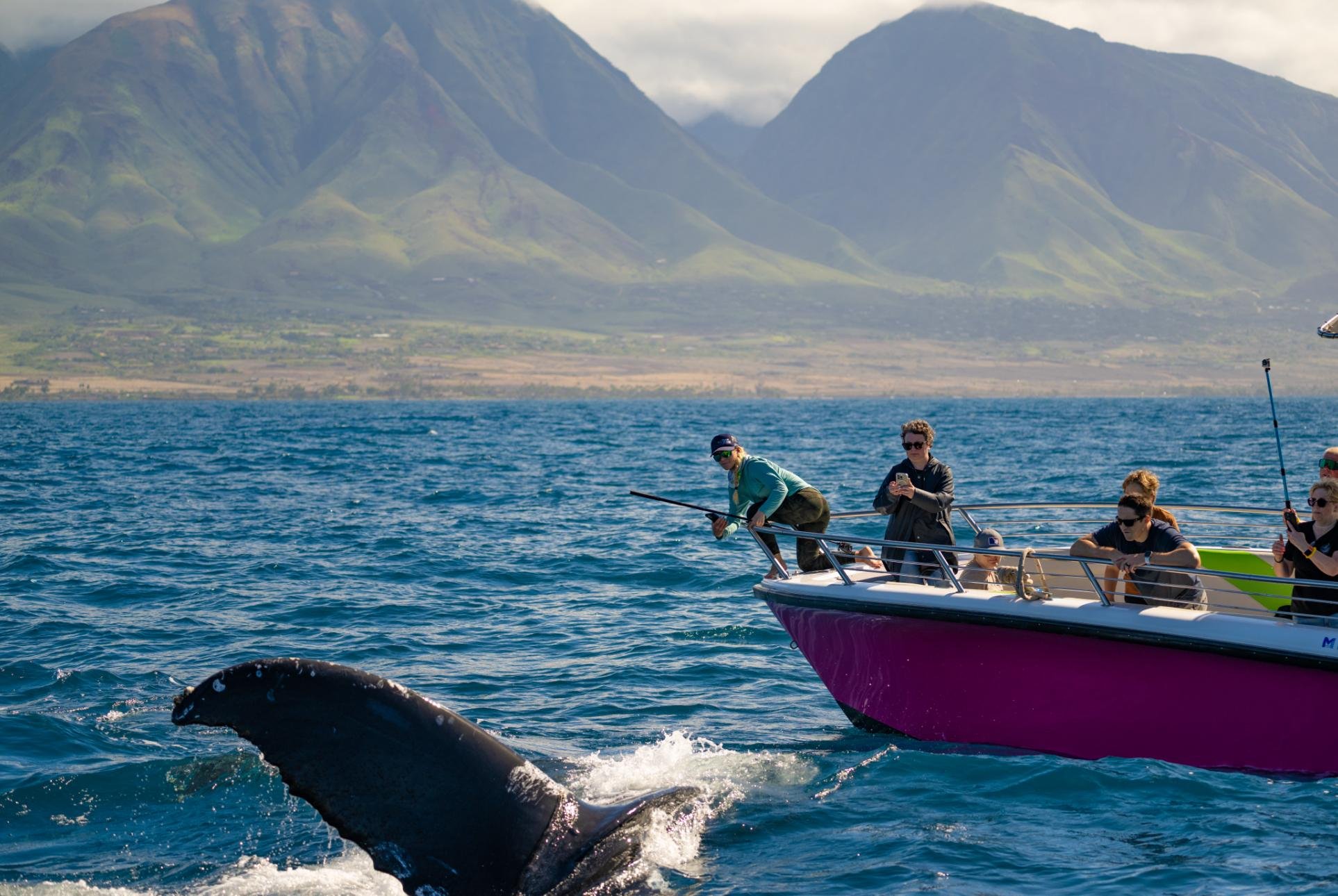
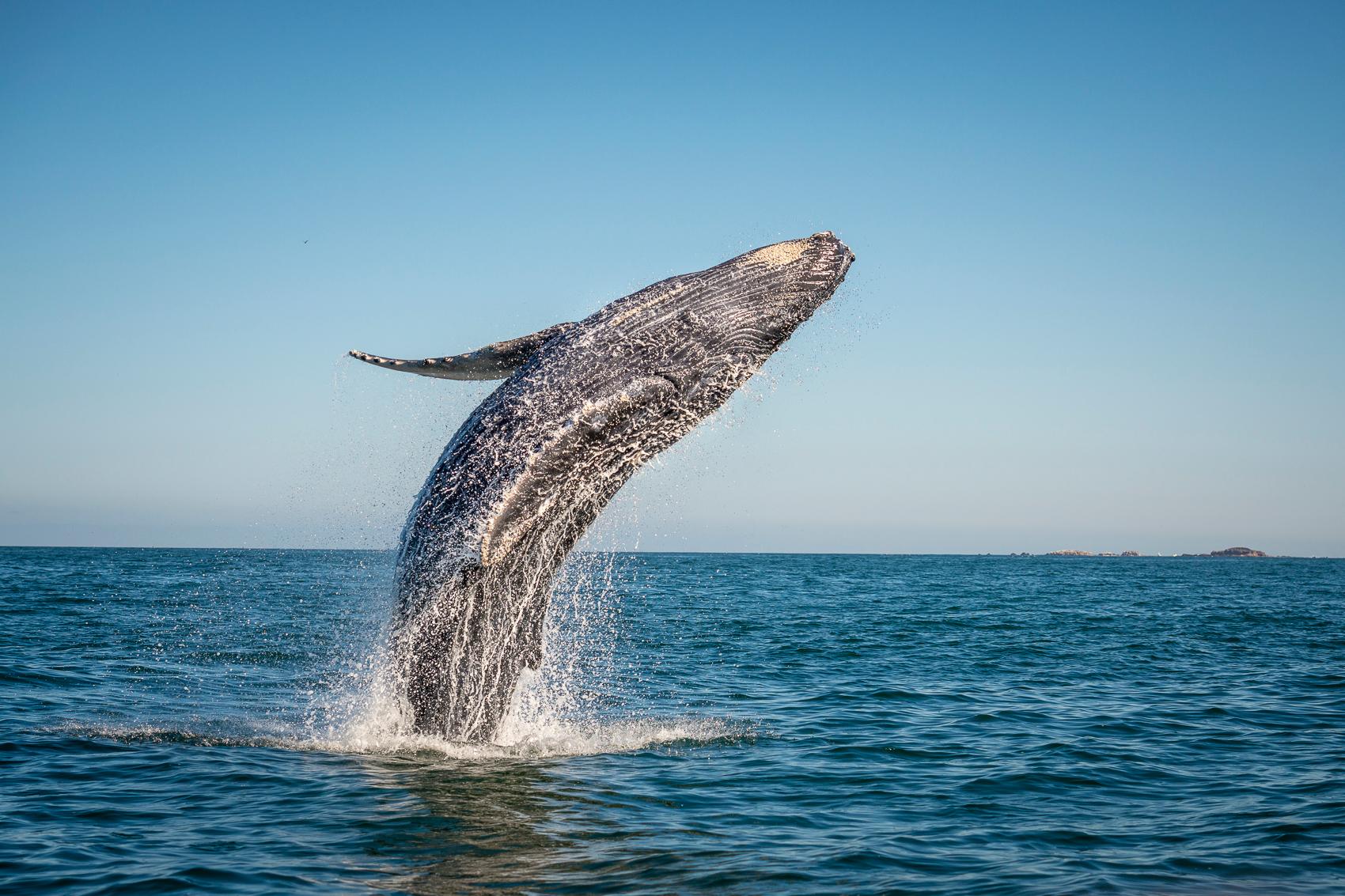
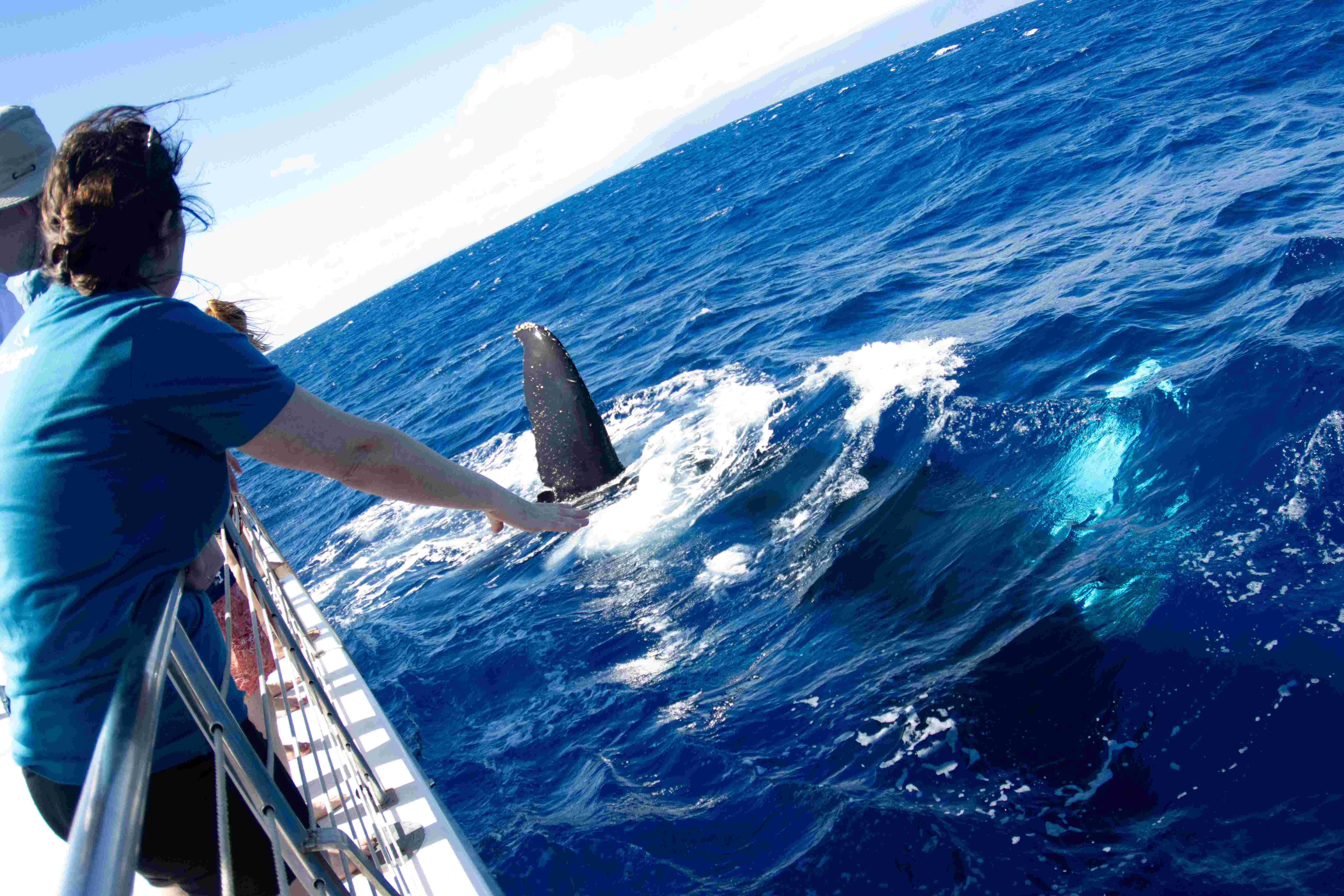
Maui's coastal geography makes whale watching accessible from both shore and sea. The Papawai Point lookout along the Honoapiʻilani Highway offers unobstructed views of breaching whales, tail slaps, and pectoral fin displays, all visible to the naked eye during peak months. McGregor Point, just south of Maalaea, provides another vantage where travelers gather each winter to watch mothers and calves surface in close proximity to the coastline. Whale watching Maui tours depart daily from Lahaina Harbor and Maalaea Harbor, operating under strict federal guidelines that prohibit vessels from approaching within one hundred yards of any whale. Catamarans, rigid-hull inflatables, and traditional sailing craft each offer distinct perspectives on humpback behavior, from the surface-level drama of a forty-ton animal launching itself skyward to the eerie resonance of whale song transmitted through the hull.
The whales' presence in Maui waters has shaped both conservation policy and island culture. Native Hawaiian tradition holds whales as ʻaumakua, ancestral guardian spirits, and their annual return marks the winter season. Modern research conducted by the Pacific Whale Foundation and NOAA's Hawaiian Islands Humpback Whale National Marine Sanctuary has documented individual whales returning to Maui for decades, identified by the unique patterns on their tail flukes. The North Pacific humpback population, numbering fewer than fifteen hundred in the 1960s, has rebounded to more than twenty thousand animals, a testament to international whaling bans and sustained habitat protection.

The Hawaiian Islands Humpback Whale National Marine Sanctuary protects the world's most concentrated humpback breeding and calving grounds.
Operators typically require 24–48 hours notice for full refunds. Cancellations due to weather or safety concerns are generally fully refunded or rescheduled at no cost.
Weather · crowds · average price — dots go green to amber to red as each metric rises.
December through April is the official whale watching maui season. Peak whale activity, including breaches and nursing, occurs from January through March.
Reservations for whale watching maui tours sell out months in advance during peak season. Book early to secure your preferred departure time.
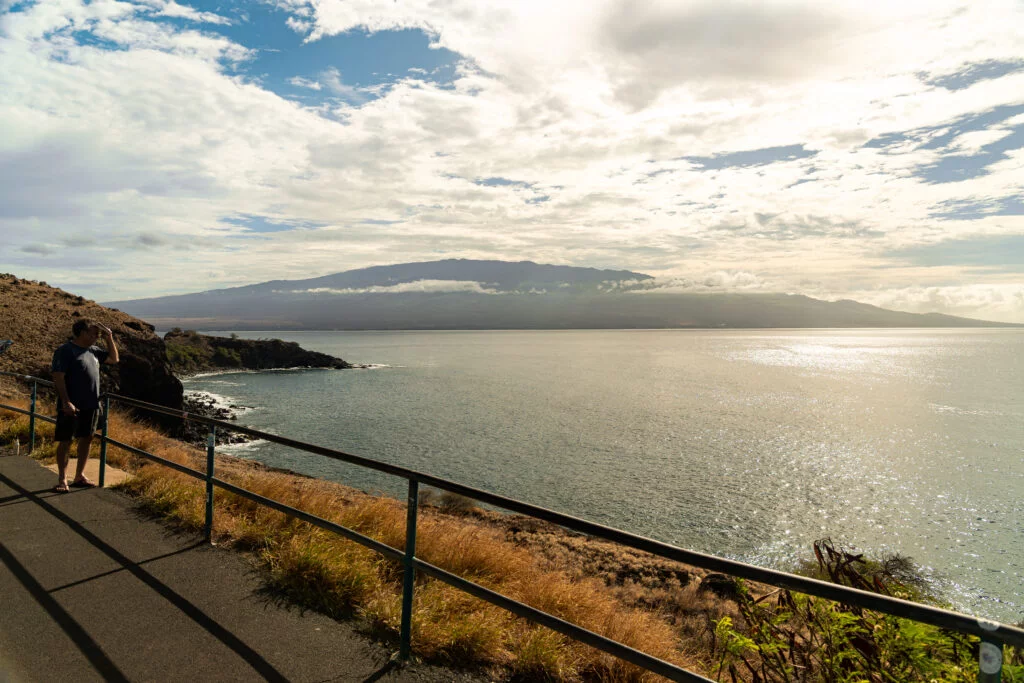
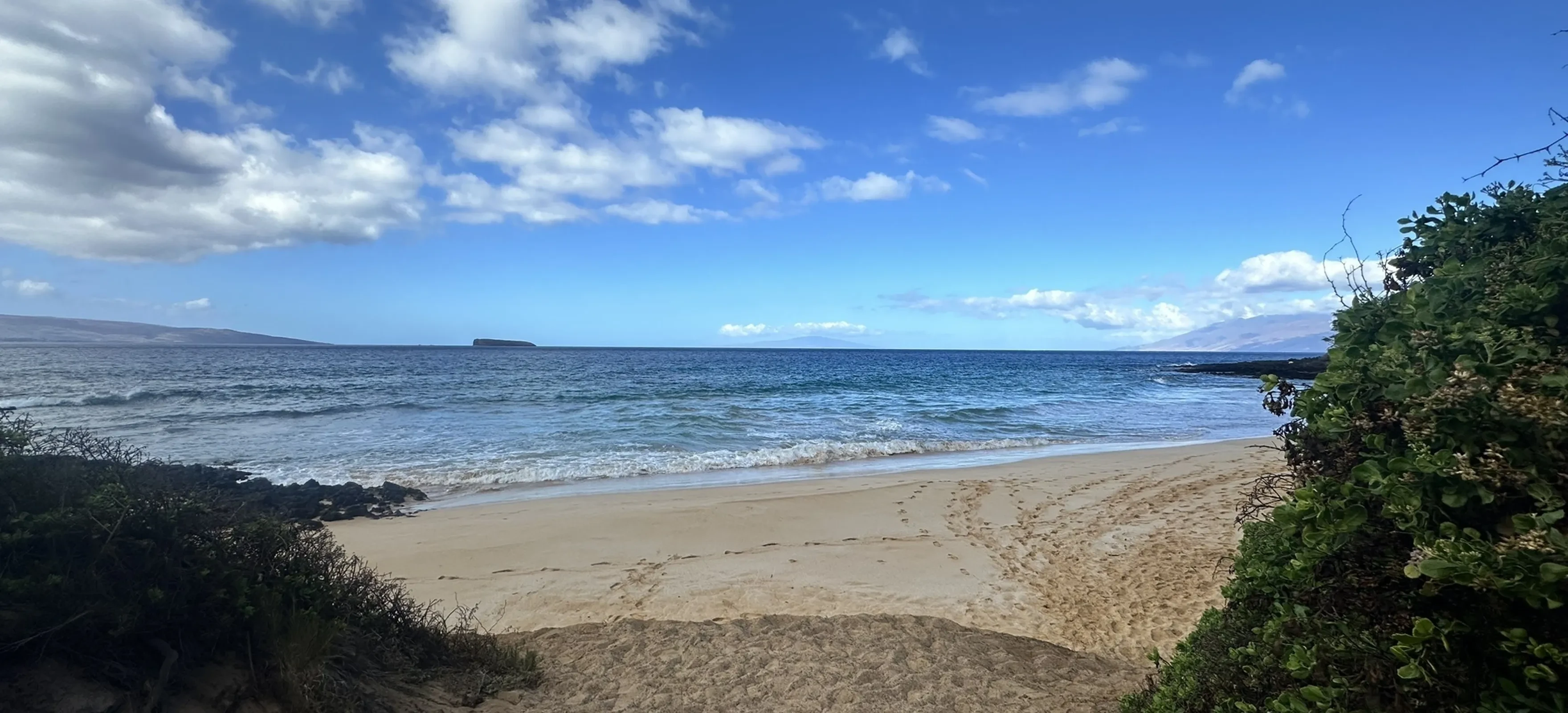
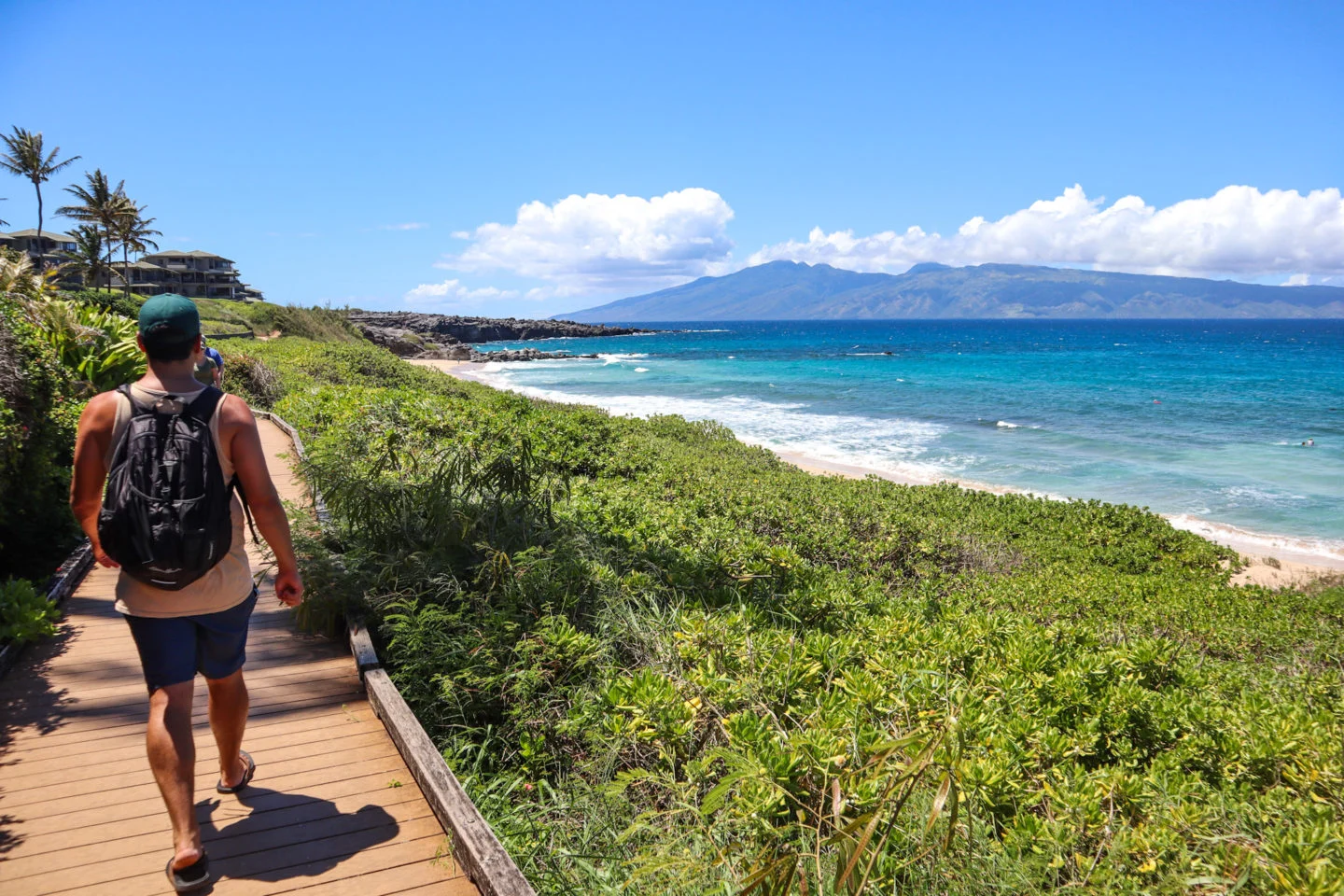
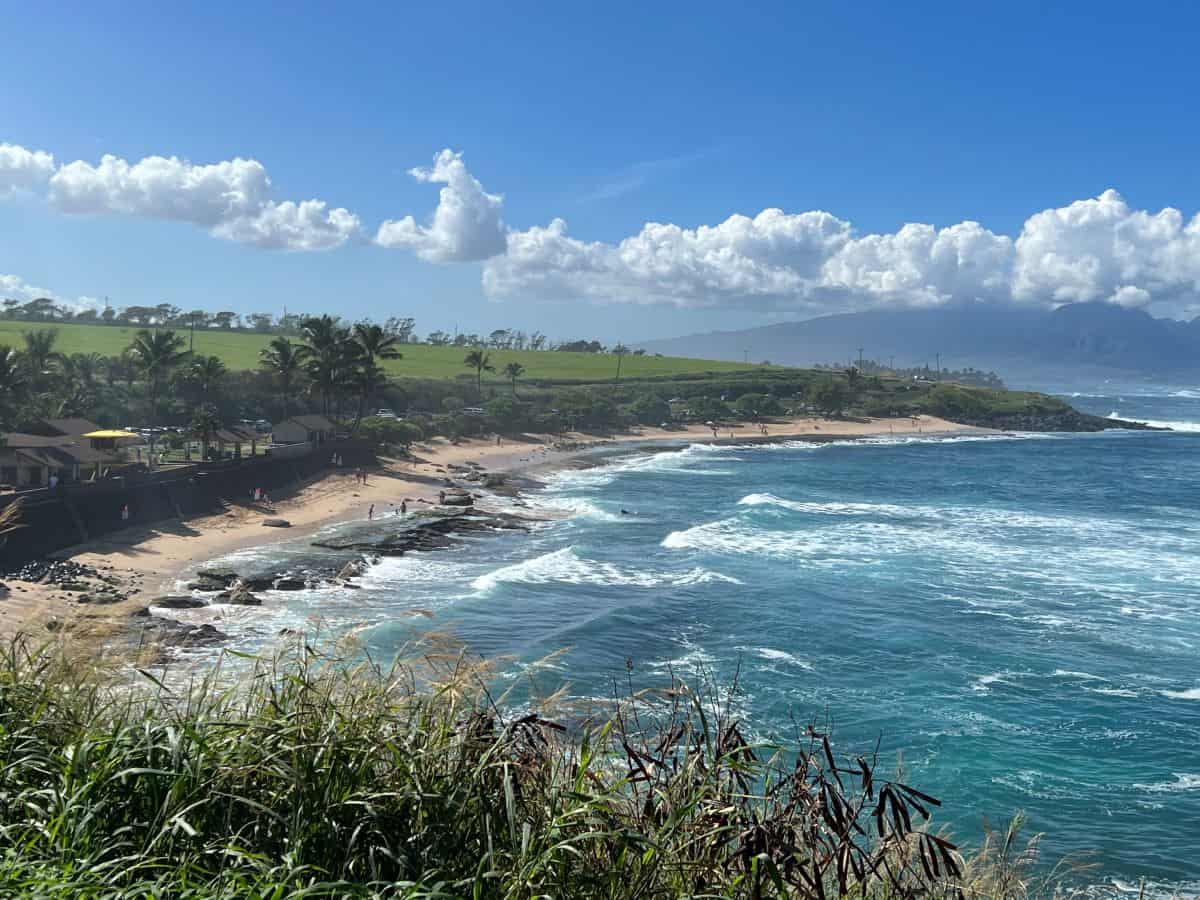
Position your tripod along the paved railing for expansive views of the Auau Channel where migrating humpbacks frequently breach. This location serves as a premier spot for whale watching maui photography due to its elevated coastal vantage point.
Set up your camera on the elevated volcanic cinder cone trails to capture Humpback whales surfacing against the backdrop of the Pacific horizon. The rugged terrain provides a natural framing element for your whale watching maui tour compositions.
Capture images from the winding path that hugs the coastline, offering intimate perspectives of marine life swimming through the clear turquoise waters. Many visitors purchase whale watching maui tours to see these subjects from the water, but this trail provides a steady land-based alternative.
Frame your shots from the grassy overlook where you can observe whales from a high vantage point above the surf. This site is frequently included for those seeking whale watching maui tickets or planning independent coastal excursions.
Planning a trip for whale watching maui with your little ones requires preparation for unpredictable ocean conditions. Successful outings rely on managing expectations and ensuring comfort for all family members during time on the water or at the shore.
Strollers are generally impractical on boats used for a whale watching maui tour, so families should opt for a structured baby carrier to keep hands free. Ensure the carrier provides adequate neck support for younger infants during swells
Most commercial vessels have basic restrooms, but shore-based viewing spots often lack changing tables or dedicated nursery areas. Pack a portable changing mat and dispose of all waste properly to keep the coastline clean
Children aged five and older are typically better equipped to handle the duration of a boat trip and follow safety instructions from the crew. If you purchase whale watching maui tickets, check with the operator regarding their specific minimum age policies for infants
Younger children may become restless during long searches, so bring quiet activities or tablets to maintain calm between sightings. Frequent breaks on the shore allow toddlers to move around while keeping an eye on the horizon for humpback breaches
Pack non-perishable snacks and plenty of hydration to manage hunger during your excursion, as vessel galleys may have limited options. Avoid heavy meals before boarding to minimize the risk of motion sickness for sensitive passengers choosing whale watching maui tours.
Everything you need to know for your journey
The peak season for whale watching maui is January through March when whale density is highest.
No, whale watching maui tours are seasonal, running primarily from December through April.
Select a reputable operator that employs a marine naturalist to ensure an educational experience during your whale watching maui adventure.
Yes, shore viewing is a popular alternative during whale watching maui season at spots like McGregor Point.
Yes, whale watching maui is a regulated, professional activity led by licensed captains.
Operators must maintain a federal 100-yard distance from whales during whale watching maui excursions.
Yes, whale watching maui is excellent for families, but ensure you select a boat with adequate safety gear.
Bring sunscreen, a camera, and a light jacket for your whale watching maui trip.
Most operators offer a reschedule or refund if your whale watching maui tour is canceled due to weather.
Educational center featuring Hawaiian marine life displays.
Area known for beautiful coastlines and easy beach access.
Join thousands of happy travelers who have discovered this incredible experience
Book Your Experience Now