

Quick answer
Whale watching in Maui during November offers early-season sightings as humpback whales begin their annual migration from Alaska, typically with first arrivals appearing in late October and early November. You'll see fewer whales compared to January through March peak season, but ocean conditions tend to be calmer and tours less crowded. Morning departures between 07:00 and 09:00 provide the best visibility and whale activity, with commercial tours operating daily from both Lahaina Harbor and Maalaea Harbor.
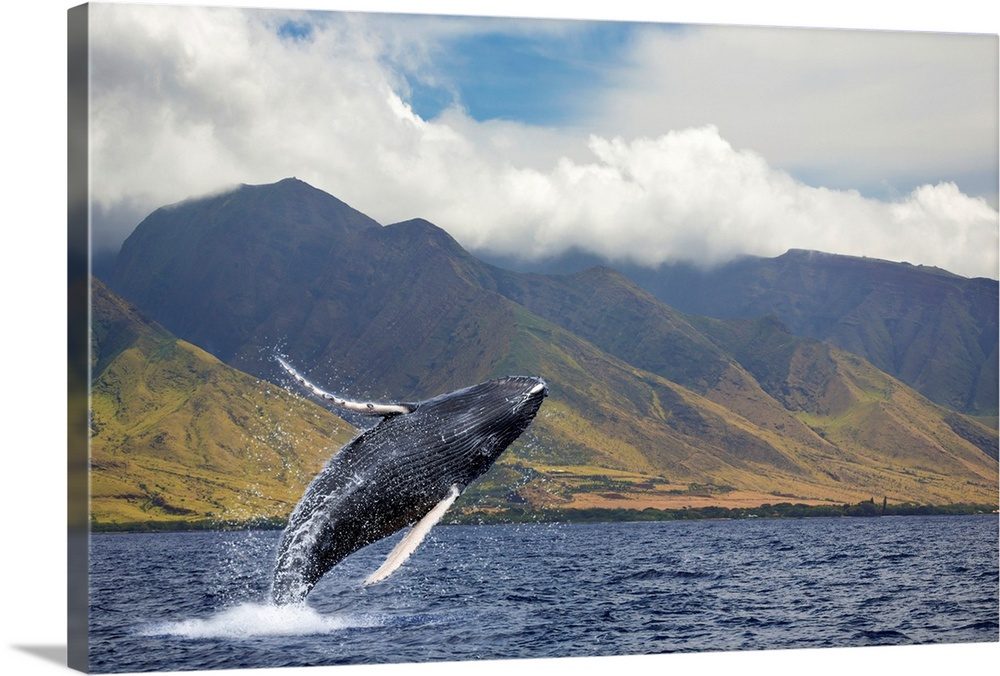
November sits at the leading edge of Maui's humpback whale season, a seven-month window when North Pacific humpbacks trade Alaskan waters for Hawaiian breeding grounds. The migration is not a single event but a phased arrival, with juvenile males and non-pregnant females forming the vanguard in late October and November, followed by pregnant females and breeding-age males in December and January. Visitors booking whale watching tours in Maui during November should expect sightings, but not the dense concentrations visible during the February-March peak. Early-season whales often travel solo or in small groups, moving steadily rather than lingering in shallow bays. Breaches and competitive surface displays remain less common than in mid-season, when males compete for breeding opportunities. The trade-off is access: November ocean conditions along Maui's leeward coast are typically calmer than winter months, and tour vessels encounter fewer competing boats. Both Lahaina Harbor on the west shore and Maalaea Harbor on the central south coast serve as departure points for commercial whale watching operations. Lahaina offers proximity to the Auau Channel between Maui, Lanai, and Molokai, a preferred humpback corridor. Maalaea provides shorter travel time to offshore feeding and resting areas. Most operators run two to three daily departures, with morning slots capturing whales during peak activity hours. November tours operate as scheduled wildlife excursions rather than guaranteed sighting trips, though the majority of November departures report at least one whale encounter. The practical advantage of early-season whale watching lies in preparation rather than spectacle. November visitors secure familiarity with boat departure logistics, offshore conditions, and humpback behavior patterns before crowds arrive. Tour availability remains high, and last-minute bookings face fewer constraints than peak-season months when advance reservations become necessary.
“November ocean conditions along Maui's leeward coast are typically calmer than winter months, and tour vessels encounter fewer competing boats.”
Whale Watching Maui November Seasonal and Daily Timing
November marks the beginning of the shoulder season for North Pacific Humpback whales as they return to Hawaiian waters. Early morning remains the most favorable time of day to observe initial whale activity due to typically calmer ocean conditions.
Early November
Low crowds, transition period75°F to 82°F; mild winds
Whale sightings are sporadic as the first arrivals appear. Sightings increase throughout the month.
Late November
Moderate crowds, holiday travelers74°F to 81°F; variable conditions
Whale presence becomes more consistent. Increased activity often occurs as more pods migrate into the region.
Morning hours
Low passenger density—
Cooler temperatures and calm seas provide the highest visibility. Early departures avoid the typical afternoon trade winds.
Verdict: Late November, during early morning departures, provides the best opportunity for consistent whale sightings as the migration season gains momentum.
Essential Checklist for Whale Watching Maui November
Prepare for cooler November conditions and extended time on the water with these essentials.
-
Book your tour in advance — November falls within peak humpback season and morning departures fill quickly.
-
Pack reef-safe sunscreen SPF 30+ — Hawaiian law prohibits non-reef-safe formulas and sun exposure remains strong even in winter.
-
Bring a waterproof camera or phone case — Spray and splashes are common during close whale encounters.
-
Wear layered clothing with a windbreaker — Early mornings start cool and ocean wind increases the chill factor on open boats.
-
Take motion sickness medication 30 minutes early — Swells increase in November as winter weather patterns develop.
-
Arrive at the harbor 15–20 minutes early — Operators depart on schedule and parking at Lahaina and Maalaea can be limited during peak season.
Check availability
Frequently Asked Questions About Whale Watching Maui November
Everything you need to know about whale watching maui november