

Quick answer
Whale watching Maui time of year spans mid-December through mid-May, with the highest concentration of humpback whales arriving between January and March. During peak weeks in February, researchers estimate 10,000 to 12,000 humpbacks occupy Hawaiian waters. Early December and late April mark the migration's edges, when only scattered individuals appear. Most boat operators align their schedules with this natural rhythm, offering daily departures from Maalaea Harbor throughout the core season.
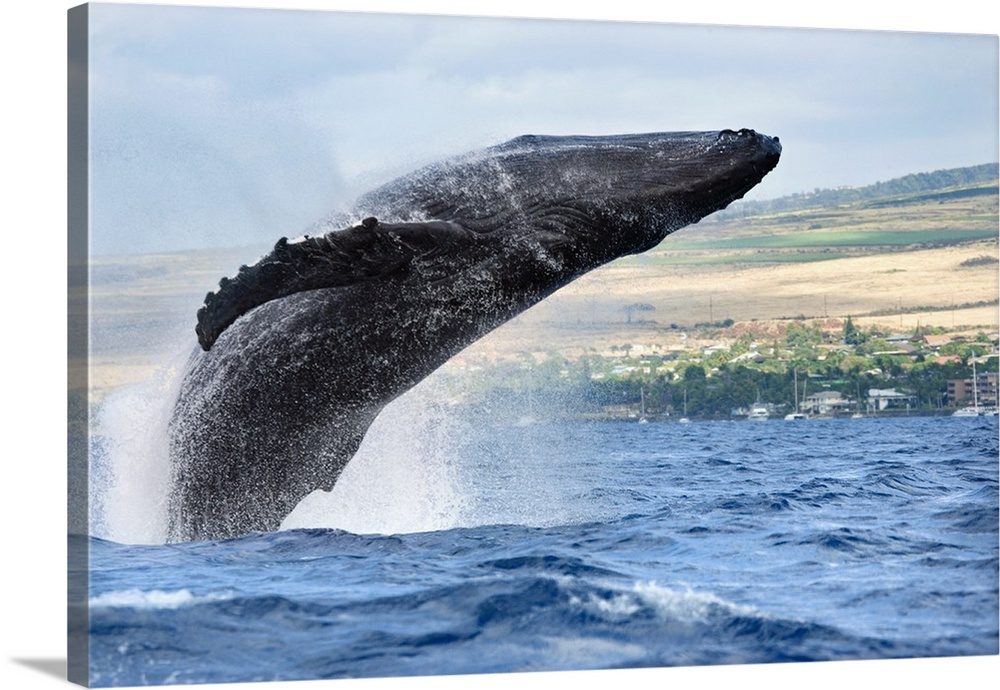
More than two-thirds of the North Pacific humpback whale population migrates to Hawaiian waters each winter, traveling up to 3,000 miles from Alaskan feeding grounds. The journey takes six to eight weeks, with lead animals appearing off Maui's coast in late November and the main wave arriving by Christmas. Calving occurs in shallow, protected channels where newborns gain strength before the return journey north. Whale watching Maui time of year determines not just whether you'll see whales, but how many behaviors you'll witness. January marks the start of competitive pod activity, when multiple males escort a single female and engage in surface-active displays—breaching, tail slaps, pectoral fin waves. February and March bring the peak combination of population density and calf activity, as mothers guide weeks-old calves through the Au'au Channel between Maui, Lanai, and Mololokai. By mid-April, nursing pairs begin the migration back to Alaska, and sightings decline sharply. Maalaea Harbor serves as the primary departure point for whale-watching vessels, positioned at the narrowest section of the channel where whales concentrate. Morning departures between seven and ten o'clock coincide with calmer trade winds and flatter seas, improving visibility and reducing motion for passengers. Shore-based viewing from locations like Papawai Point and McGregor Point requires no fee and offers reliable sightings during peak months, though distance limits behavioral observation. The humpback breeding season operates on a biological clock independent of human schedules—whales don't perform on demand, but statistics favor mid-season visits when hundreds of animals occupy a relatively small area. Shoulder-season visits in early December or late April trade crowd size for uncertainty. Some years see early arrivals; others delay until mid-month. Ocean conditions remain favorable, and boat captains adjust routes based on recent sighting reports, but multi-hour trips without encounters become more common outside the January-to-March core.
“February and March deliver the highest probability of observing competitive pods, mother-calf pairs, and breaching activity in a single outing.”
Whale Watching Maui Time Of Year: Seasonal and Daily Planning
The North Pacific Humpback whale migration season in Maui typically spans from December through April, with peak activity occurring between January and March. For optimal sightings and sea conditions, planning your excursion during the early morning hours is recommended.
December to April
High interest during peak seasonTemperatures range from 70°F to 78°F
This is the official migration window for North Pacific Humpbacks visiting Hawaiian waters.
January to March
Peak whale activity and crowdsTemperatures range from 68°F to 76°F
Frequency of whale sightings is highest during these months.
Early Morning
Moderate crowds compared to midday—
Morning waters are generally calmer, providing better visibility and smoother sailing conditions.
Verdict: The best time to visit is during the peak months of February or March, specifically selecting a morning departure time for the most favorable conditions.
Understanding Costs for Whale Watching Maui Time Of Year
The cost of whale watching in Maui depends entirely on whether you choose shore-based viewing or a guided boat excursion. While observing whales from the coastline is free, boat tours require individual bookings.
While shore-based observation is free, visitors typically pay varying rates for boat tours depending on the specific operator and vessel selected.
Preparation Checklist for Whale Watching Maui Time Of Year
Proper preparation ensures comfort and safety during your whale-watching experience on Maui's waters.
-
Book your boat tour in advance — Peak whale season fills up quickly, especially morning departures.
-
Bring reef-safe sunscreen and a hat — Sun exposure is intense on open water with limited shade.
-
Pack motion sickness medication — Swells can be choppy even on calmer morning trips.
-
Wear layered clothing and a light jacket — Ocean winds create cooler conditions than onshore temperatures suggest.
-
Carry a camera with zoom capability — Whales surface at varying distances from the vessel.
-
Arrive at Maalaea Harbor by 7:00 AM — Morning departures offer calmer seas and better viewing conditions.
-
Bring water and light snacks — Most tours last 2-3 hours with limited onboard provisions.
Check availability
Frequently asked questions about whale watching maui time of year
Everything you need to know about whale watching maui time of year